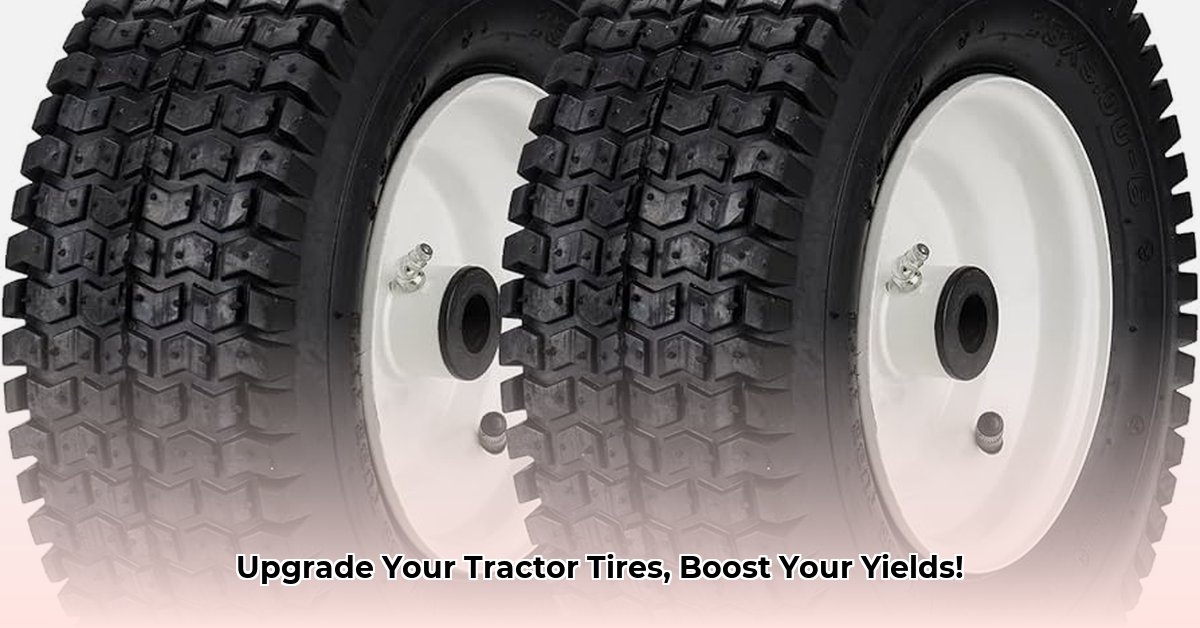
Llanta de Tractor: Optimizing Your Mexican Farm's Performance
Choosing the right tractor tire—the llanta de tractor—is paramount for Mexican farmers. This decision significantly impacts crop yields, fuel efficiency, and environmental sustainability. This guide provides actionable advice and technical insights to help you select the ideal tires for your specific needs and farming practices. For more tire size options, check out this helpful resource.
Understanding the Mexican Tractor Tire Market
Mexico's agricultural tire market is dynamic and competitive. High demand exists for specific tire sizes, particularly 11L-15, 7.50-16, and 8.3-24, reflecting the diverse range of tractors and farming methods used across the country. While competitive pricing is prevalent, farmers must carefully balance cost with quality and longevity. Specialized tires designed for high-speed operations or heavy loads are also available, catering to diverse farming practices. However, a critical knowledge gap exists: comprehensive data on the environmental lifecycle of these tires is lacking. This necessitates further research to support the adoption of sustainable agricultural practices. Isn't it crucial to make informed decisions based on complete data to optimize both productivity and environmental responsibility?
Choosing the Right Tractor Tire: Key Technical Specifications
Selecting the optimal llanta de tractor requires understanding key technical aspects. Radial tires, compared to bias-ply tires, generally offer a smoother ride and extended lifespan. The tread pattern significantly influences traction; aggressive treads are best suited for muddy conditions, while smoother treads are ideal for paved surfaces. Load capacity, representing the maximum weight a tire can safely carry, is crucial. Ensure your chosen tire can handle the combined weight of your tractor and attached equipment. Maintaining the correct tire inflation pressure is essential; under-inflation increases fuel consumption and accelerates tire wear, while over-inflation harms both the tire and the soil. Consult your tractor's manual for the recommended inflation pressure.
Environmental Concerns: Sustainability in Tractor Tire Management
Sustainability is increasingly critical in agriculture. The production, use, and disposal of agricultural tires have a significant environmental impact. Currently, comprehensive Life Cycle Assessment (LCA) data on tractor tires in Mexico is limited. This lack of information hinders informed decision-making regarding environmentally friendly options. Increased research is needed to promote sustainable tire manufacturing materials and facilitate effective tire recycling programs. Don’t you agree that improving data collection on the environmental effects of tractor tires is essential for promoting responsible farming practices?
Actionable Recommendations for Key Stakeholders
The following steps provide targeted recommendations for various stakeholders involved in the Mexican agricultural tire market.
Tire Manufacturers: Prioritize production of high-demand tire sizes; enhance quality control; invest in research and development of sustainable tire materials and manufacturing processes; develop longer-lasting, fuel-efficient tires.
Agricultural Retailers: Expand the range of tire sizes offered; provide clear, accessible information to farmers; offer educational materials on proper tire maintenance and sustainable choices; support initiatives for tire recycling programs.
Farmers: Practice diligent tire maintenance including regular inspections for wear and tear; consider purchasing used tires when appropriate; adopt sustainable farming practices to mitigate soil compaction.
Mexican Government: Offer incentives for the development and use of sustainable tires; fund research into LCAs for tractor tires; support the establishment and implementation of effective tire recycling programs and initiatives.
Maximizing Your Investment: Practical Tire Maintenance for Long-Term Success
Regular tire maintenance is crucial for extending tire lifespan and optimizing cost-effectiveness.
Regular Inspections: Check tire pressure weekly and inspect for cuts, bulges, or embedded objects. Addressing small problems prevents larger, more expensive repairs.
Tire Rotation: Rotate tires according to the manufacturer's recommendations for even wear across all tires, maximizing their overall lifespan.
Proper Inflation: Maintain the correct inflation pressure as specified in your tractor's manual for optimal fuel efficiency, tire longevity, and soil health.
Storage: When storing tires for extended periods, protect them from sunlight and extreme weather to prevent cracking and degradation.
By following these steps, you can considerably extend the life of your llanta de tractor, ultimately maximizing your return on investment and contributing to more sustainable farming practices. The right tire choice is a significant investment in the future of your farm.
How to Choose Sustainable Agricultural Tires in Mexico
Choosing the right llanta de tractor is crucial for maximizing yields and minimizing environmental impact in Mexico's diverse agricultural landscape.
Matching Tire Size to Your Specific Needs
Accurate assessment of your needs is paramount. The size of your tractor directly influences suitable tire dimensions. Correct tire sizing is crucial for traction, fuel efficiency, and soil compaction. The workload is also a vital consideration. Heavy loads and challenging terrain necessitate tires with higher load capacities and specialized tread patterns.
Understanding Advanced Tire Technologies
Beyond basic sizing, exploring advanced tire technologies is essential for optimizing performance and sustainability. Radial tires, for example, often provide superior fuel efficiency and traction compared to bias-ply tires. Technologies such as those offered by Michelin emphasizing reduced soil compaction are key for sustainable practices. These advanced designs can significantly improve your farm's environmental footprint.
Tread Patterns: Selecting Ideal Traction
Tread patterns play a vital role in achieving optimal traction and minimizing soil disruption. Deep lug patterns provide superior grip in muddy or loose soils, while shallower patterns are more suitable for hard-packed surfaces. Choosing the right pattern directly impacts your productivity and soil health.
Prioritizing Tire Lifespan and Sustainable Disposal
Sustainable tire selection extends beyond immediate performance considerations. The entire life cycle of the tire, from manufacturing to disposal, must be factored into your decision. While LCA data for tractor tires in Mexico is limited, prioritizing longer-lasting tires and manufacturers committed to sustainable practices is a significant step toward environmental responsibility. A tire with a longer lifespan reduces replacements, cutting down on waste and minimizing your carbon footprint.
Actionable Steps for Mexican Farmers: A Practical Guide
Assess your needs: Precisely determine the ideal tire size, load capacity, and tread pattern based on your tractor size and farming practices.
Research tire technologies: Explore radial tires and other advanced technologies to understand their benefits in fuel efficiency, traction, and soil compaction.
Consider tire preponderance: Ensure proper balance between front and rear tire sizes for optimal tractor performance and stability.
Prioritize lifespan and disposal: Choose durable tires to minimize replacements and research responsible tire disposal options in your area.
Consult experts: Seek advice from tire professionals and agricultural extension agents for personalized recommendations.